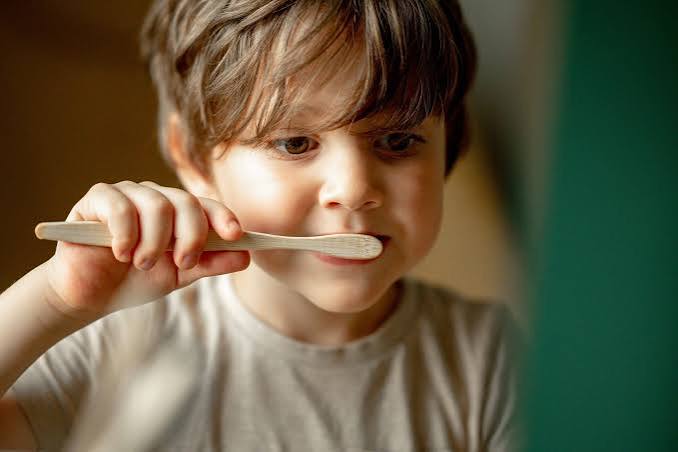
If you’ve ever tried brushing a toddler’s teeth, you already know it can feel like a daily negotiation.
One minute they’re happily playing, and the next they’re running away from the toothbrush, refusing to open their mouth, or declaring, “I don’t want to brush!”
You’re not alone.
Toddlers are learning independence, and refusing things—even things that are good for them—is a normal part of growing up. The goal isn’t to turn every brushing session into a battle. Instead, try making brushing playful, predictable, and something your child can participate in.
Here are some creative ways to make toothbrushing easier and more enjoyable.
1. Let Your Toddler Choose the Toothbrush
Give your child some control over the experience.
Take them shopping and let them choose between two or three age-appropriate toothbrushes.
They might choose one featuring their favorite character or simply one in a color they like.
The important thing is that the toothbrush is designed for young children and has soft bristles.
A little choice can make children feel that brushing is something they’re doing rather than something being forced on them.
2. Brush Together
Toddlers love copying their parents.
Instead of sending your child to brush alone, make brushing a family activity.
Stand together in front of the mirror and brush your teeth at the same time.
You can even say:
“Let’s see who can find all their teeth!”
Just remember that young children still need an adult to help or supervise brushing. Letting them brush independently is great for learning, but it doesn’t necessarily mean they can clean their teeth effectively on their own.
3. Turn Brushing Into a Game
Games can transform a boring routine into something your toddler looks forward to.
Try:
“Let’s find the hiding teeth!”
Pretend that the toothbrush is searching for tiny pieces of food hiding around the mouth.
You could also make funny sounds while brushing:
-
“Scrub, scrub!”
-
“Top teeth!”
-
“Bottom teeth!”
-
“Back teeth!”
-
“Where is that sneaky molar?”
Keep it playful, but make sure the teeth still get a thorough clean.
4. Use a Two-Minute Song
Toddlers don’t always understand how long two minutes really is.
Instead of repeatedly saying, “Keep brushing,” play a favorite song that lasts around two minutes.
You can also create your own silly brushing song.
The routine becomes:
Song starts → brushing starts → song ends → brushing is finished.
A predictable routine can make the process easier for children who don’t like surprises.
5. Try a Brushing Timer
A child-friendly visual timer can help your toddler understand that brushing has a beginning and an end.
Some electric toothbrushes designed for children also include built-in timers.
You can make the timer part of the game:
“Can we finish brushing before the timer does?”
Just make sure the focus stays on cleaning all tooth surfaces rather than rushing to beat the clock.
6. Let Your Child Brush Your Teeth
This can be a surprisingly effective trick.
Let your toddler pretend to brush your teeth first.
Then say:
“My turn to brush yours!”
It gives your child a sense of control while turning brushing into a shared activity.
Just don’t let them actually put too much pressure on your teeth!
7. Give the Toothbrush a Personality
Toddlers have incredible imaginations, so use yours too.
Give the toothbrush a funny voice:
“Hello! I’m the Toothbrush! Can I clean your teeth?”
Or pretend the toothbrush is a tiny superhero whose job is to chase away plaque and leftover food.
You can even create a little story:
“Captain Toothbrush is going on a mission to clean the back teeth!”
It may sound silly—but that’s exactly the point.
8. Create a Brushing Routine
Children often respond well to routines because they know what comes next.
Try brushing at the same times every day:
Wake up → breakfast → brush
Dinner → bedtime routine → brush
Keeping brushing at predictable points in the day can reduce arguments because it becomes a normal part of the routine rather than a decision that needs to be negotiated every time.
9. Use a Reward Chart
A simple sticker chart can motivate some children.
For example:
⭐ Brushed in the morning
⭐ Brushed at night
⭐ Brushed without a fuss
However, try not to make sweets or sugary treats the reward for brushing.
Small non-food rewards—such as choosing a bedtime story or picking the next family game—can work better.
10. Tell Stories While You Brush
If your child enjoys stories, turn brushing into one.
For example:
“Once upon a time, there were 20 little teeth waiting for their superhero toothbrush…”
As you tell the story, move around the mouth and clean different areas.
This can help distract a child who focuses on the brushing itself.
11. Try a Mirror
Some toddlers enjoy watching themselves brush.
Stand your child in front of a mirror and let them see what’s happening.
You can point out:
“Look! We’re cleaning the front teeth.”
“Can you see your back teeth?”
This can turn brushing into an activity they can actively participate in.
12. Don’t Give Too Many Choices
Giving children some control is useful, but too many choices can create another argument.
Instead of asking:
“Do you want to brush your teeth?”
try:
“Do you want to use the blue toothbrush or the green toothbrush?”
The brushing itself isn’t optional, but your child gets to choose how they participate.
13. Stay Calm When They Resist
This may be the hardest hack of all.
If your toddler refuses to brush, getting frustrated is completely understandable—but turning brushing into a stressful confrontation can make future sessions even harder.
Stay calm, use simple language, and keep the routine consistent.
Some days will go smoothly.
Other days won’t.
That’s normal.
14. Let Them Have a Turn—Then Take Over
A great compromise is:
“You brush first, then I’ll help.”
Allow your child to practice brushing independently before you take over and make sure the teeth are properly cleaned.
This gives them independence while still providing the supervision they need.
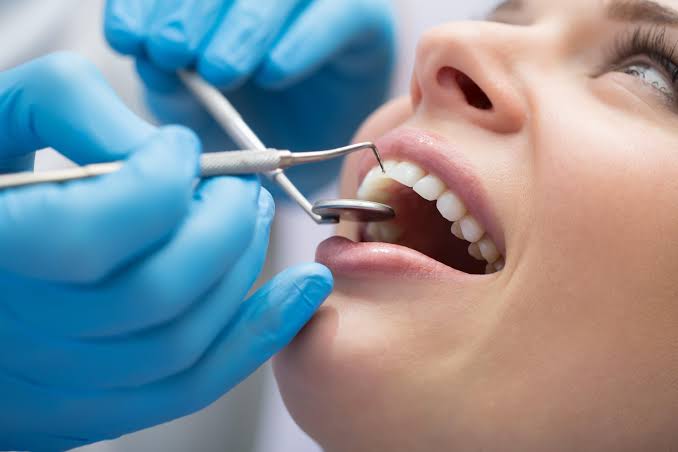
15. Make the Dentist Part of the Team
Regular dental visits can help children become comfortable with dental care before problems develop.
A child-friendly dentist can demonstrate brushing techniques and explain oral hygiene in an age-appropriate way.
If your toddler consistently refuses brushing or you notice changes in their teeth or gums, mention it during their dental visit.
What Should You Use to Brush Your Toddler’s Teeth?
Use a small, soft-bristled toothbrush designed for children.
Use fluoride toothpaste in an age-appropriate amount according to your dentist’s guidance. For young children, parents should supervise brushing and help ensure the toothpaste isn’t swallowed.
As children get older and develop better brushing skills, they can gradually take on more responsibility.
What If My Toddler Still Refuses?
Sometimes, despite all the songs, games, stickers, and superhero toothbrushes, your toddler will still say:
“NO!”
That’s okay.
The goal isn’t to make every brushing session perfect.
Your responsibility as a parent is to establish a consistent routine and help your child develop good oral hygiene habits.
Be patient, stay consistent, and keep experimenting with approaches that suit your child’s personality.
The Bottom Line
Getting a stubborn toddler to brush their teeth doesn’t have to become a twice-daily battle.
Give them choices, turn brushing into a game, use songs and stories, brush together, and keep the routine predictable.
Most importantly, remember that toddlers are still learning. They need your help and supervision to brush effectively.
A little creativity today can help build healthy brushing habits that last for years.
And if you’re struggling with your child’s brushing routine or have questions about their teeth, don’t hesitate to ask your child’s dentist for personalized advice.