
The words “root canal” can make many people nervous. Stories about pain, long appointments, or complicated dental procedures often create more fear than the treatment itself.
But modern root canal treatment is designed to relieve dental pain, not cause it. With effective local anesthesia and modern dental techniques, the procedure is usually much more comfortable than many patients expect.
So, what actually happens during a root canal? Let’s break it down step by step.
What Is a Root Canal?
Inside every tooth is a soft area called the pulp, which contains nerves and blood vessels. When the pulp becomes severely inflamed or infected because of deep decay, cracks, trauma, or repeated dental procedures, it can cause significant pain.
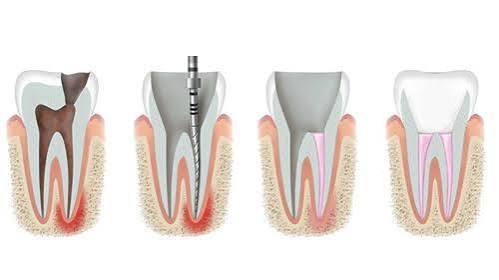
A root canal treatment removes the infected or damaged pulp, cleans and disinfects the inside of the tooth, and seals it to prevent further infection.
The goal is simple: save your natural tooth and restore its function.
Why Might You Need a Root Canal?
Not every toothache requires a root canal. However, your dentist may recommend one when the pulp inside the tooth is irreversibly inflamed or infected.
Common signs can include:
- Persistent or severe toothache
- Sensitivity to hot or cold that lingers
- Pain while biting or chewing
- Swelling around the tooth or gums
- A recurring pimple or abscess on the gums
- Darkening or discoloration of a tooth
- Deep tooth decay or a significant crack
Sometimes, a tooth with an infected pulp may cause little or no pain. That is why dental examination and X-rays are important for determining the right treatment.
What Happens During a Root Canal?
1. Examination and X-ray
Before treatment begins, your dentist examines the tooth and usually takes an X-ray.
This helps identify the extent of the infection and understand the shape and number of the tooth’s root canals. Your dentist will also discuss the treatment with you and answer any questions you may have.
2. Local Anesthesia
This is the step many patients worry about, but local anesthesia is used to numb the tooth and surrounding area.
Your dentist will make sure the area is sufficiently numb before starting the procedure. You should not feel sharp pain during treatment, although you may notice pressure, vibration, or movement.
If you feel uncomfortable at any point, let your dentist know.
3. Keeping the Tooth Clean and Dry
Your dentist may place a protective sheet called a dental dam around the tooth.
It helps keep saliva and bacteria away from the treatment area and allows the dentist to work in a clean, controlled environment.
4. Accessing the Inside of the Tooth
A small opening is made through the top of the tooth to reach the pulp chamber and root canals.
This allows the dentist to access the infected or damaged tissue inside the tooth.
5. Cleaning and Shaping the Root Canals
The damaged pulp is carefully removed. The dentist then cleans and shapes the root canals using specialized instruments.
The canals are also disinfected to reduce bacteria and remove debris.
This is one of the most important parts of the treatment because thorough cleaning helps reduce the chance of the infection returning.
6. Filling and Sealing the Tooth
Once the canals have been cleaned and prepared, they are filled with a specialized material and sealed.
The opening in the tooth is then closed with a temporary or permanent restoration, depending on your treatment plan.
The purpose of the seal is to prevent bacteria from entering the cleaned root canal system again.
7. Restoring the Tooth
After a root canal, the tooth may need a permanent filling or, in many cases, a dental crown.
A crown can provide additional protection to a tooth that has lost a significant amount of its natural structure, particularly for back teeth that experience substantial chewing forces.
Your dentist will recommend the appropriate restoration based on the condition of your tooth.
Does a Root Canal Hurt?
This is probably the most common question patients ask.
Modern root canal treatment is generally performed under local anesthesia, so the procedure itself should not be painful.
You may experience some tenderness or mild discomfort after the anesthesia wears off, especially if there was significant inflammation or infection before treatment. This usually improves as the area heals.
If you experience severe or persistent pain, swelling, or other concerning symptoms after treatment, contact your dentist.
How Long Does a Root Canal Take?
The treatment time varies depending on the tooth and the complexity of the case.
A straightforward case may sometimes be completed in one appointment, while more complicated cases may require multiple visits.
Factors such as the number of canals, the severity of infection, the tooth’s anatomy, and the need for additional treatment can affect the number and length of appointments.
Your dentist can give you a more accurate estimate after examining your tooth.
What Should You Expect After the Procedure?
It is normal for the treated area to feel slightly tender for a few days.
Your dentist may give you specific instructions regarding eating, brushing, medications, and your permanent restoration.
Until the tooth has been fully restored, you may need to avoid putting excessive pressure on it, particularly if a temporary filling has been placed.
Once the final restoration is completed, you can generally use the tooth normally according to your dentist’s advice.
Root Canal vs. Tooth Extraction
When a tooth can be predictably saved, root canal treatment allows you to keep your natural tooth.
Extraction removes the tooth, which may then require replacement with an implant, bridge, or another restoration to restore function and prevent unwanted movement of neighboring teeth.
Whenever appropriate, preserving the natural tooth can be a valuable option. Your dentist can explain whether root canal treatment is suitable for your particular situation.
How Can You Make the Experience More Comfortable?
If you are nervous about dental treatment, tell your dentist before the procedure.
A few simple steps can make the experience easier:
- Ask your dentist to explain the procedure beforehand.
- Tell them if you have had a difficult dental experience in the past.
- Agree on a signal, such as raising your hand, if you need a pause.
- Ask questions about anesthesia and what you may feel.
- Follow your dentist’s aftercare instructions carefully.
Remember, being anxious about dental treatment is common, and your dental team can work with you to make the experience as comfortable as possible.
Don’t Let Fear Delay Dental Treatment
A tooth that needs a root canal will not usually heal simply by waiting. Delaying treatment can allow an infection to progress and may make the tooth more difficult to save.
If you have persistent tooth pain, sensitivity, swelling, or pain while chewing, schedule a dental examination rather than trying to ignore the symptoms.
The Bottom Line
A root canal may sound intimidating, but understanding what happens can make the procedure feel much less frightening.
The treatment involves numbing the tooth, removing infected tissue, cleaning and disinfecting the canals, sealing them, and restoring the tooth. Modern techniques are focused on patient comfort and preserving your natural tooth whenever possible.
If your dentist has recommended a root canal, don’t let the name scare you. The purpose of the treatment is to remove the source of infection and help you get back to a healthy, functional smile.