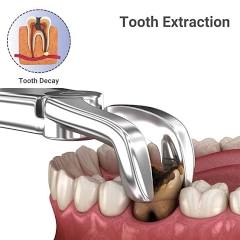
Having a tooth extracted can feel like a major dental procedure, but recovery is often straightforward when you follow your dentist’s aftercare instructions.
Whether the extraction was necessary because of severe decay, infection, gum disease, overcrowding, or another dental problem, what you do during the first few days can play an important role in supporting healing.
Here are some of the best ways to look after your mouth after a tooth extraction.
1. Protect the Blood Clot
After a tooth is removed, a blood clot naturally forms in the empty socket. This clot is an important part of the healing process because it protects the underlying tissues and helps the socket begin to heal.
For this reason, avoid anything that could disturb the clot during the first few days.
Your dentist may advise you to:
-
Avoid vigorous rinsing or spitting.
-
Avoid touching the extraction site with your fingers or tongue.
-
Avoid drinking through a straw.
-
Avoid smoking or vaping.
-
Follow any specific instructions provided by your dentist.
Dislodging the blood clot can lead to a painful condition called dry socket.
2. Take It Easy After the Extraction
It is generally a good idea to rest for the remainder of the day after an extraction.
Avoid strenuous exercise, heavy lifting, and activities that significantly increase your heart rate, particularly during the first 24 hours or for as long as your dentist recommends.
Keeping your activity level low can help minimize bleeding and give your body time to begin the healing process.
3. Manage Bleeding as Instructed
A small amount of bleeding or oozing is common after an extraction.
Your dentist may place gauze over the extraction site and ask you to bite down gently but firmly for a specified period.
If bleeding continues, follow the instructions provided by your dental team. Avoid repeatedly removing the gauze to check the area, as this can interfere with clot formation.
If you experience heavy bleeding that does not settle despite following your dentist’s instructions, contact your dentist promptly.
4. Choose Soft Foods
Your mouth may be tender after an extraction, so soft foods are usually more comfortable during the early stages of recovery.
Depending on your dentist’s advice, options may include:
-
Yogurt
-
Soft rice or khichdi
-
Mashed potatoes
-
Scrambled eggs
-
Smooth soups that are not too hot
-
Soft vegetables
-
Bananas
-
Oatmeal
Try to chew on the side opposite the extraction site when possible.
As your mouth becomes more comfortable, you can gradually return to your normal diet.
5. Avoid Very Hot Foods and Drinks
Immediately after an extraction, your mouth may still be numb because of the local anesthetic.
Very hot foods or drinks can increase the risk of burning your mouth without you realizing it.
It is also generally advisable to avoid very hot foods and drinks during the early healing period if your dentist recommends doing so.
Allow foods and beverages to cool to a comfortable temperature before consuming them.
6. Don’t Smoke or Vape
Smoking can interfere with healing and may increase the risk of complications such as dry socket.
The suction involved in smoking can also potentially disturb the blood clot.
For the best recovery, avoid smoking and vaping for as long as your dentist recommends. If you smoke regularly, ask your dentist how long you should wait after your particular extraction.
7. Keep Your Mouth Clean
Good oral hygiene remains important after an extraction, but you need to be careful around the healing socket.
Continue brushing your other teeth as normal while avoiding direct disturbance of the extraction site.
Your dentist may recommend gentle salt-water rinses after the first day, depending on the type of extraction and your individual circumstances.
Do not rinse vigorously unless your dentist specifically tells you to do so.
8. Use Cold Compresses for Swelling
Some swelling is normal after certain extractions, particularly surgical extractions.
Applying a cold compress to the outside of your cheek may help reduce swelling and discomfort.
Use it according to your dentist’s instructions, generally for short intervals rather than keeping it continuously against the skin.
Swelling can sometimes become more noticeable during the first couple of days before gradually improving.
9. Take Medication as Prescribed
Your dentist may recommend pain relief medication after an extraction.
Take medication exactly as directed. If your dentist has prescribed antibiotics, take them according to the prescribed instructions and do not use leftover antibiotics from previous illnesses.
Do not take medication that has not been recommended for you without checking with your dentist or another healthcare professional.
10. Avoid Alcohol During Early Recovery
It is generally best to avoid alcohol during the initial healing period, particularly if you have been prescribed medication or your dentist has specifically advised against it.
If you are unsure how long you should wait, ask your dentist based on the type of extraction and any medications you are taking.
How Long Does It Take to Recover From a Tooth Extraction?
Recovery time varies depending on the type of extraction, the tooth involved, your general health, and how complex the procedure was.
Many people experience the most noticeable discomfort during the first few days, followed by gradual improvement.
The gum and underlying bone can take considerably longer to fully heal.
Your dentist will give you more specific information based on your extraction.
When Should You Contact Your Dentist?
Some discomfort, mild swelling, and minor bleeding can be normal following an extraction.
However, contact your dentist if you experience symptoms such as:
-
Severe or worsening pain
-
Persistent or heavy bleeding
-
Increasing swelling
-
Fever or feeling unwell
-
Pus or an unpleasant discharge
-
Difficulty swallowing or breathing
-
Pain that becomes significantly worse several days after extraction
These symptoms may require prompt dental assessment.
What About Dry Socket?
Dry socket occurs when the blood clot in the extraction socket becomes dislodged or fails to form properly.
It can cause significant pain, which may develop or become worse a few days after the extraction. Pain may also radiate toward the ear, temple, or jaw.
If you develop severe pain after an extraction, particularly after initially feeling better, contact your dentist rather than trying to manage it yourself.
Give Your Mouth Time to Heal
The best recovery strategy after a tooth extraction is simple: protect the extraction site, follow your dentist’s instructions, maintain good oral hygiene, eat appropriately, and give your body time to heal.
Most importantly, don’t hesitate to contact your dental team if something doesn’t feel right.
Final Thoughts
A tooth extraction is only the first step. Proper aftercare helps support healing and reduces the likelihood of complications.
By protecting the blood clot, avoiding smoking, choosing comfortable foods, maintaining gentle oral hygiene, taking medications as directed, and following your dentist’s personalized instructions, you can give your mouth the best possible environment for recovery.
If you have recently had a tooth extraction and are concerned about your recovery, speak with your dentist for personalized advice.