Want to improve your smile but aren’t sure whether you need veneers or clear aligners?
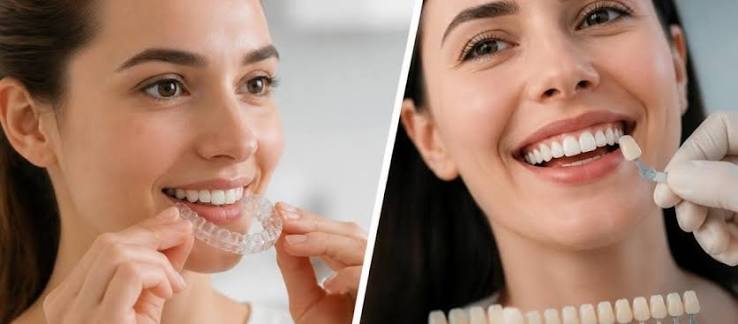
Both treatments can transform the appearance of your teeth, but they work in completely different ways. Clear aligners move teeth into better positions, while veneers change the visible shape, size, and color of teeth.
So, which one is right for your ultimate smile makeover?
The answer depends on what you want to change about your smile.
What Are Clear Aligners?
Clear aligners are removable, transparent trays designed to gradually move teeth into more desirable positions.
They can be used to address certain orthodontic concerns, including:
-
Crowded teeth
-
Gaps between teeth
-
Mild to moderate tooth misalignment
-
Certain bite problems
Patients typically wear a series of custom-made aligners, changing them according to their dentist or orthodontist’s treatment plan.
Why Choose Clear Aligners?
One of the biggest advantages is that clear aligners can improve your smile by moving your natural teeth rather than covering them.
Other potential benefits include:
-
Nearly invisible appearance
-
Removable for eating and drinking
-
Easier brushing and flossing compared with fixed braces
-
No permanent alteration to healthy tooth structure
-
Can improve both appearance and certain functional bite issues
However, aligners require commitment. They generally need to be worn for most of the day and removed only when eating, drinking certain beverages, brushing, and flossing, according to your treatment plan.
What Are Dental Veneers?
Veneers are thin restorations placed over the front surface of teeth to improve their appearance.
Depending on the type of veneer and your individual case, they can address concerns such as:
-
Discolored teeth
-
Small chips
-
Uneven tooth shapes
-
Minor size discrepancies
-
Certain cosmetic gaps
-
Worn or irregular-looking teeth
Veneers can produce a significant cosmetic change relatively quickly compared with orthodontic treatment.
However, some types of veneers require removal of a small amount of tooth structure, and the treatment should therefore be carefully planned.
Veneers vs. Clear Aligners: The Key Difference
The simplest way to understand the difference is:
Clear aligners move your teeth. Veneers change how your teeth look.
If your main concern is that your teeth are crooked or crowded, orthodontic treatment may be the more appropriate starting point.
If your teeth are relatively well aligned but you are unhappy with their color, shape, size, or minor imperfections, veneers may be an option.
Veneers vs. Clear Aligners: At a Glance
| Feature | Veneers | Clear Aligners |
|---|---|---|
| Main purpose | Cosmetic transformation | Tooth alignment and bite correction |
| Changes tooth position | No | Yes |
| Changes tooth shape | Yes | No |
| Changes tooth color | Yes | No |
| Tooth preparation | May require some tooth preparation | Usually no removal of tooth structure |
| Removable | No | Yes |
| Treatment duration | Often shorter | Usually takes longer |
| Daily commitment | Mainly oral hygiene and care | Requires consistent aligner wear |
| Natural tooth preservation | Depends on veneer type and preparation | Preserves natural tooth structure |
| Can improve certain bite problems | Limited | Yes |
When Might Clear Aligners Be the Better Choice?
Clear aligners may be worth considering if you look at your smile and think:
“I like my teeth, but I wish they were straighter.”
For example, if your teeth overlap, have gaps, or are positioned unevenly, moving them into better alignment may provide the improvement you’re looking for.
Another important advantage is that orthodontic treatment can address certain functional issues—not just appearance.
A Major Benefit: Keeping Your Natural Teeth
Clear aligners don’t require your teeth to be covered with veneers.
For patients who have healthy teeth and primarily want to improve alignment, moving the natural teeth may be a conservative approach.
When Might Veneers Be the Better Choice?
Veneers may be considered when the teeth are already reasonably aligned but their shape, color, size, or overall appearance is the main concern.
For example, veneers may help create a more uniform appearance when someone has:
-
Heavily discolored teeth that don’t respond well to whitening
-
Small chips
-
Uneven tooth lengths
-
Certain cosmetic imperfections
-
Teeth that appear too small or irregular in shape
Veneers can combine several cosmetic changes into one treatment plan.
What If You Have Both Alignment and Cosmetic Concerns?
This is where things become more interesting.
You don’t necessarily have to choose between veneers and clear aligners based solely on the initial appearance of your smile.
In some cases, a dentist may recommend clear aligners first, followed by cosmetic treatment.
For example, aligners could improve tooth positioning before veneers are considered for remaining concerns involving shape or color.
This approach may allow the dentist to plan the final smile more precisely.
Which Treatment Is Faster?
Generally, veneers can create a visible cosmetic transformation in a shorter period than orthodontic treatment.
Clear aligner treatment, however, is designed to gradually move teeth, so it naturally takes longer.
The exact treatment time varies significantly from one person to another. The complexity of your case, the amount of movement required, and your ability to follow the treatment plan can all affect the timeline.
Faster doesn’t necessarily mean better. The appropriate treatment should address the underlying reason you are unhappy with your smile.
Which Option Is More Permanent?
Veneers are not usually considered a lifetime treatment. They can eventually require replacement or repair.
Clear aligners also aren’t a “one-and-done” solution. After orthodontic treatment, retainers are generally needed to help maintain the new position of the teeth.
Both treatments therefore require ongoing care and maintenance.
What About Cost?
The cost of veneers and clear aligners varies depending on:
-
Number of teeth being treated
-
Complexity of the case
-
Type of veneers or aligners
-
Dentist or orthodontist
-
Location
-
Additional procedures that may be required
Rather than choosing based only on price, consider the long-term goals and health of your teeth.
Your dentist can provide a personalized treatment plan and explain the expected costs before treatment begins.
Can Everyone Get Veneers or Clear Aligners?
Not necessarily.
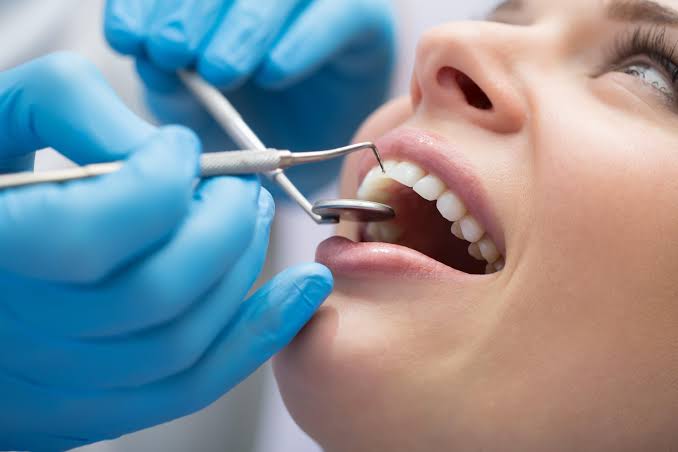
A dental examination is important before either treatment.
For veneers, your dentist will assess factors such as tooth health, enamel, bite, gums, and existing restorations.
For clear aligners, the dentist or orthodontist will evaluate your tooth positions, bite, gums, bone support, and overall oral health.
Any active dental problems, such as untreated decay or gum disease, may need to be addressed before cosmetic or orthodontic treatment.
So, Which Smile Makeover Path Is Right for You?
Think about what you actually want to change.
Choose clear aligners if:
Your primary concern is:
-
Crooked teeth
-
Crowding
-
Gaps
-
Certain bite problems
-
Improving alignment while keeping your natural tooth structure
Consider veneers if:
Your primary concern is:
-
Tooth color
-
Tooth shape
-
Small chips
-
Uneven tooth appearance
-
Multiple cosmetic imperfections
Consider a combination approach if:
You have both alignment and cosmetic concerns.
Your dentist may recommend improving tooth position first and then deciding whether additional cosmetic treatment is necessary.
The Bottom Line
There isn’t a universal winner when comparing veneers vs. clear aligners.
Clear aligners are primarily about moving teeth into better positions. Veneers are primarily about changing the appearance of the teeth.
The best smile makeover is not necessarily the most dramatic or fastest option. It’s the treatment that achieves your goals while considering the health and long-term condition of your teeth.
If you’re unsure which path is right for you, schedule a consultation with a dentist. A professional evaluation can help you understand your options and create a smile makeover plan tailored to your needs.