You finish brushing your teeth, rinse your mouth, and notice a little blood in the sink.
It can be easy to think, “Maybe I brushed too hard.”
Occasional bleeding can happen for several reasons, but regularly bleeding gums shouldn’t simply be ignored. In many cases, bleeding gums are an early sign of gum inflammation that can be treated before it becomes a more serious problem.
So, why do gums bleed when you brush, and when should you see a dentist?
The Most Common Reason: Gum Inflammation
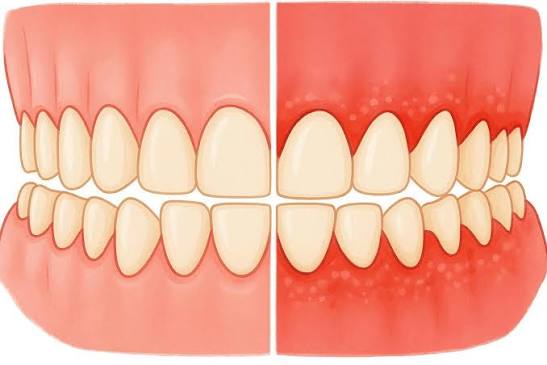
One of the most common causes of bleeding gums is gingivitis, an early form of gum disease.
When plaque—a sticky layer of bacteria—builds up around the teeth and along the gumline, it can irritate the gums. The gums may become:
-
Red
-
Swollen
-
Tender
-
More sensitive
-
Prone to bleeding during brushing or flossing
The good news is that gingivitis is often manageable with improved oral hygiene and professional dental care when necessary.
Does Bleeding Mean You’re Brushing Too Hard?
Sometimes, aggressive brushing or using a toothbrush with hard bristles can irritate the gums.
However, if your gums consistently bleed even when you’re brushing gently, the problem may not simply be your brushing technique.
Using a soft-bristled toothbrush and gentle, controlled movements is generally recommended.
If you’re unsure whether you’re brushing correctly, ask your dentist or dental hygienist to demonstrate the technique.
What Happens If Gum Inflammation Is Ignored?
Without appropriate care, gingivitis can progress to periodontitis, a more advanced form of gum disease.
Periodontitis can affect the tissues and bone that support your teeth. Over time, it may contribute to:
-
Receding gums
-
Persistent bad breath
-
Gum pockets around teeth
-
Loose teeth
-
Tooth loss
This is why bleeding gums are worth paying attention to, especially when they occur regularly.
Other Possible Causes of Bleeding Gums
Gum inflammation isn’t the only possible explanation.
Bleeding can also be associated with:
Poor Flossing Technique
If you have recently started flossing, your gums may bleed because they are inflamed or because the technique is too forceful.
Gentle, consistent cleaning between the teeth is important.
Plaque or Tartar Build-Up
Plaque that isn’t removed can harden into tartar (calculus).
Unlike plaque, tartar generally cannot be removed effectively with a toothbrush at home and may require professional cleaning.
Hormonal Changes
Hormonal changes during periods such as pregnancy can make gums more sensitive and more prone to inflammation.
Smoking or Tobacco Use
Tobacco use can negatively affect gum health and increase the risk of gum disease.
Certain Medications
Some medications can affect the gums or increase bleeding. If you notice a change after starting a medication, speak with your healthcare professional rather than stopping the medication on your own.
Certain Medical Conditions
In less common situations, persistent or unusual bleeding can be associated with broader health conditions.
If your gums bleed frequently or you experience unexplained bleeding elsewhere, discuss it with a healthcare professional.
Should You Stop Brushing If Your Gums Bleed?
No.
It may seem logical to avoid brushing an area that bleeds, but stopping oral hygiene can allow plaque to build up further and potentially make gum inflammation worse.
Instead, brush gently with a soft-bristled toothbrush and clean between your teeth regularly.
If brushing causes significant pain or bleeding continues despite good oral hygiene, arrange a dental examination.
How Can You Help Prevent Bleeding Gums?
A good daily oral-care routine can make a significant difference.
Brush Twice a Day
Brush your teeth for about two minutes twice a day using fluoride toothpaste.
Pay particular attention to the gumline, but avoid aggressive scrubbing.
Clean Between Your Teeth
Brushing alone cannot effectively clean every surface between your teeth.
Use dental floss, interdental brushes, or another method recommended by your dentist.
Don’t Ignore Dental Check-Ups
Regular dental examinations allow your dentist to identify gum problems early.
Professional cleaning may also be recommended if plaque and tartar have accumulated.
Maintain a Healthy Lifestyle
A balanced diet, avoiding tobacco, and taking care of your general health can all support healthy gums.
When Should You See a Dentist?
If your gums bleed regularly when you brush or floss, it’s a good idea to have them checked.
You should be particularly proactive if you also notice:
-
Swollen or red gums
-
Persistent bad breath
-
Gum recession
-
Pus around the gums
-
Loose teeth
-
Pain while chewing
-
Teeth becoming sensitive
-
Changes in the way your teeth fit together
These symptoms can indicate a more advanced gum problem and should be assessed by a dental professional.
Is Bleeding Gums an Emergency?
Usually, occasional mild bleeding isn’t an emergency.
However, heavy or unexplained bleeding that does not stop, especially when accompanied by other concerning symptoms, requires prompt medical or dental attention.
If you’re taking medication that affects blood clotting, tell your dentist before treatment.
The Bottom Line
Seeing a small amount of blood while brushing may seem harmless, but regularly bleeding gums are not something you should consider normal.
The most common cause is gum inflammation related to plaque buildup, and addressing the problem early can help prevent it from progressing.
Brush gently, clean between your teeth, maintain regular dental visits, and speak with your dentist if the bleeding continues.
Healthy gums shouldn’t routinely bleed. If yours do, it’s worth finding out why.