
A child’s first dental visit is an important milestone—but many parents aren’t sure when it should happen.
Should you wait until your child has a full set of baby teeth? Should you only visit when there’s a toothache?
The answer is no.
Dental care should begin much earlier than many parents realize. An early dental visit allows a dentist to check your child’s developing teeth and gums, identify potential problems early, and help your child become comfortable with dental care.
When Should Your Child First Visit the Dentist?
A widely recommended guideline is that children should have their first dental visit by their first birthday or within six months of their first tooth appearing, whichever comes first.
This may seem early, especially when your child only has a few teeth, but early visits are primarily about prevention and guidance.
The dentist can assess your child’s oral development and help you understand how to care for those first teeth.
Why Is an Early Dental Visit Important?
Baby teeth may eventually fall out, but they still play an important role.
They help children:
-
Chew food properly
-
Develop clear speech
-
Maintain space for permanent teeth
-
Develop healthy oral habits
Cavities in baby teeth can cause pain and infection and may affect eating, sleeping, and overall comfort.
Regular dental care can help identify problems before they become more complicated.
What Happens During the First Dental Visit?
Don’t worry—the first appointment is usually much simpler than many parents imagine.
Depending on your child’s age and cooperation, the dentist may:
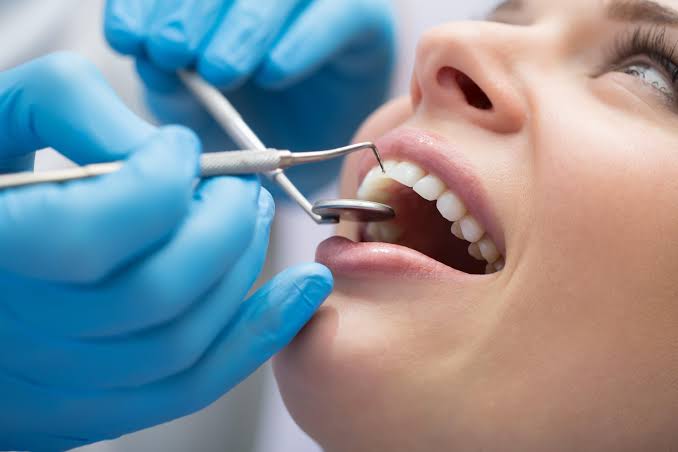
Examine the Teeth and Gums
The dentist checks for early signs of tooth decay, gum problems, developmental concerns, and other oral conditions.
Discuss Oral Hygiene
You’ll learn how to clean your child’s teeth appropriately for their age.
The dentist can also recommend an appropriate toothbrush and fluoride toothpaste routine.
Discuss Diet and Feeding Habits
Your dentist may ask about your child’s eating and drinking habits, including snacks and sugary drinks.
This helps identify habits that could increase the risk of tooth decay.
Talk About Fluoride
Fluoride helps strengthen tooth enamel and reduce the risk of cavities.
Your dentist can recommend an age-appropriate amount of fluoride toothpaste and discuss whether additional fluoride is appropriate for your child based on their individual risk.
Discuss Teething and Oral Habits
Parents can ask questions about teething, thumb sucking, pacifiers, teeth grinding, mouth breathing, and other common childhood concerns.
Should You Wait Until Your Child Has a Toothache?
Definitely not.
A toothache can indicate that a dental problem has already progressed.
Children may also have difficulty explaining exactly what hurts, and some dental problems can develop without obvious symptoms.
Regular preventive visits allow the dentist to identify potential issues earlier.
How Often Should Children Visit the Dentist?
After the first visit, your dentist can recommend a schedule based on your child’s oral health and risk of tooth decay.
For many children, regular dental check-ups are commonly recommended approximately every six months, although some children may need visits more or less frequently.
Your child’s dentist will determine the most appropriate schedule.
How Can You Prepare Your Child for Their First Dental Visit?
The way you introduce the dentist can influence how your child feels about future appointments.
Keep It Positive
Use simple, positive language.
Instead of saying:
“Don’t worry, it won’t hurt.”
Try:
“The dentist is going to count your teeth and help us keep your smile healthy.”
Mentioning pain before anything has happened can unintentionally make children anxious.
Avoid Scary Words
Try not to use words such as “needle,” “pain,” “drill,” or “hurt” when preparing your child.
Let the dental team explain procedures using child-friendly language.
Read Children’s Books About Dental Visits
Age-appropriate books or videos about visiting the dentist can make the experience feel familiar rather than unfamiliar.
Don’t Pass on Your Own Dental Anxiety
Children can easily pick up on a parent’s nervousness.
Even if you have had an unpleasant dental experience yourself, try to present the dental visit calmly and positively.
What About Babies Who Don’t Have Teeth Yet?
You don’t necessarily need to wait for several teeth to appear.
An early dental visit can still be useful because your dentist can examine the gums and developing mouth and provide guidance on:
-
Teething
-
Feeding habits
-
Cleaning the gums
-
Pacifier use
-
Fluoride
-
Future dental care
Starting early also helps establish the idea that visiting the dentist is a normal part of growing up.
Common Childhood Dental Problems
Children can experience many of the same dental problems as adults, including tooth decay and gum inflammation.
Other concerns can include:
-
Thumb sucking
-
Pacifier habits
-
Dental injuries
-
Enamel defects
-
Crowded or misplaced teeth
-
Early loss of baby teeth
-
Problems with tooth eruption
Identifying these issues early can sometimes make management simpler.
What If Your Child Is Afraid of the Dentist?
Dental anxiety is relatively common among children.
Don’t force your child into a procedure unless it’s necessary for their immediate health. Instead, talk to the dental team about strategies for gradually building trust.
A dentist experienced in treating children can use age-appropriate communication, positive reinforcement, and a calm approach to make visits more comfortable.
When Should You See a Dentist Immediately?
Don’t wait for the next routine appointment if your child has:
-
Severe tooth pain
-
Facial or gum swelling
-
A dental injury
-
A broken or knocked-out tooth
-
Persistent bleeding
-
Signs of infection
-
Difficulty eating because of dental pain
Dental trauma, significant swelling, or signs of infection may require prompt assessment.
The Bottom Line
Your child’s first dental visit shouldn’t begin when there’s a problem.
Ideally, schedule the first dental visit by your child’s first birthday or within six months of the first tooth appearing, whichever comes first.
Early dental visits help parents learn how to care for their child’s developing smile while helping children become familiar with the dental environment.
Starting early can set the foundation for healthy teeth, positive dental habits, and a lifetime of better oral health.
If your child hasn’t had their first dental check-up yet, speak with a pediatric or family dentist about scheduling an age-appropriate visit.