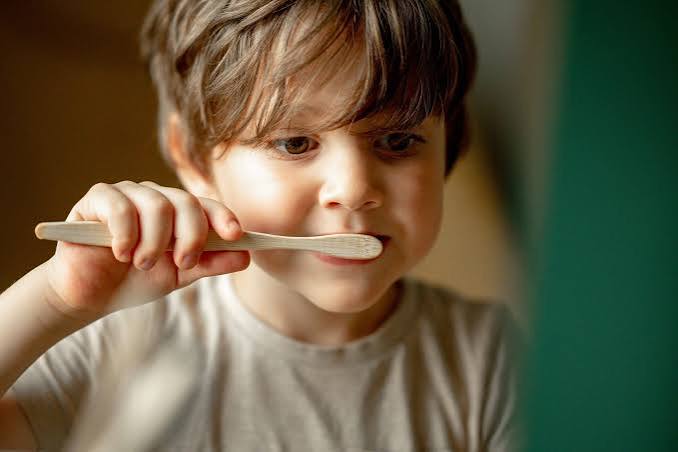

Thumb-sucking and pacifier use are common habits during infancy and early childhood. For many babies, sucking provides comfort and helps them feel calm, especially when they’re tired or upset.
For young children, these habits are usually a normal part of development. However, if thumb-sucking or pacifier use continues for too long, it can affect the way the teeth and jaws develop.
So, when should parents become concerned, and what can you do to help your child stop?
Why Do Children Suck Their Thumb or Use Pacifiers?
Sucking is a natural reflex that begins very early in life.
Babies may suck their thumbs or use pacifiers because it can:
-
Provide comfort
-
Help them self-soothe
-
Help them settle to sleep
-
Satisfy their natural sucking reflex
As children grow older, most naturally stop these habits.
The concern isn’t necessarily the habit itself—it’s how long it continues, how frequently it occurs, and how strongly the child sucks.
Can Thumb-Sucking Affect Adult Teeth?
Yes, prolonged thumb-sucking can influence the development and alignment of both baby and permanent teeth.
If a child continues sucking their thumb as their permanent teeth begin to develop and erupt, the pressure can contribute to changes such as:
-
Open bite: The upper and lower front teeth may not meet when the mouth is closed.
-
Increased overjet: The upper front teeth may appear to stick farther forward.
-
Changes in the shape of the upper jaw: Persistent pressure can influence the development of the palate and upper jaw.
-
Tooth alignment problems: Teeth may become crowded or positioned differently.
The severity of these changes can vary from child to child.
What About Pacifiers?
Pacifiers can also affect dental development when their use continues beyond the early years.
Similar to thumb-sucking, prolonged pacifier use may contribute to changes in the position of the front teeth and the developing bite.
One difference is that pacifier use can generally be controlled by the parent, while stopping a thumb-sucking habit can be more challenging because the thumb is always available.
This doesn’t mean pacifiers are automatically harmful. The important factors are the child’s age, frequency of use, and duration of the habit.
When Should You Be Concerned?
Many children stop thumb-sucking or pacifier use naturally during their toddler years.
If the habit continues as the child gets older—particularly once permanent teeth begin to appear—it’s worth discussing it with a dentist.
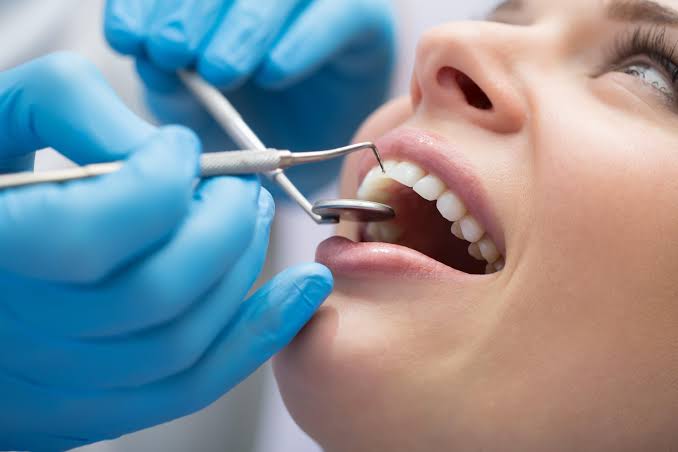
A dentist can assess your child’s developing teeth and bite and advise whether intervention is necessary.
Signs to Watch For
Parents may notice:
-
Front teeth that don’t meet properly
-
Upper front teeth appearing pushed forward
-
Changes in the shape of the roof of the mouth
-
Difficulty biting certain foods
-
Speech concerns associated with dental development
-
Persistent thumb-sucking beyond the toddler years
Not every child who sucks their thumb will develop these problems, so a dental assessment is more useful than trying to predict the outcome at home.
Does the Habit Always Cause Permanent Damage?
No.
The effects depend on several factors, including:
-
The child’s age
-
How frequently they suck
-
How strongly they suck
-
How long the habit continues
-
Individual jaw and dental development
Some dental changes can improve naturally after the habit stops, particularly when the habit is discontinued at an appropriate age.
However, if significant changes have developed, orthodontic treatment may eventually be needed.
This is one reason why early dental monitoring can be helpful.
How Can Parents Help a Child Stop Thumb-Sucking?
Stopping a comfort habit isn’t always easy.
Instead of suddenly forcing your child to stop, try a positive and supportive approach.
1. Identify When It Happens
Does your child suck their thumb mainly when they’re:
-
Falling asleep?
-
Watching television?
-
Feeling anxious?
-
Bored?
-
Upset?
Understanding the trigger can help you find another way to provide comfort.
2. Use Positive Reinforcement
Praise your child when they go without sucking their thumb.
A simple reward chart can make the process feel positive and achievable.
3. Offer Alternatives
For a child who uses sucking to self-soothe, alternatives such as a favorite toy, blanket, cuddling, or another calming bedtime routine may help.
4. Avoid Shaming
Avoid teasing, punishment, or repeatedly scolding your child.
The habit is often comforting and may not be completely under the child’s conscious control.
A supportive approach is usually more effective.
5. Talk to Your Dentist
If you’re struggling to stop the habit, your child’s dentist can offer age-appropriate strategies and monitor the development of the teeth and bite.
In some cases, a dental appliance may be considered, but this is not necessary for every child.
Should You Take Away the Pacifier Suddenly?
It depends on your child’s age and circumstances.
For younger children, gradually reducing pacifier use can be an effective approach.
You can start by limiting it to specific situations, such as bedtime, and eventually work toward stopping it completely.
Your child’s dentist or pediatrician can help you choose an approach that suits your child.
Is One Habit Worse Than the Other?
It’s difficult to say that one is universally worse.
Both thumb-sucking and prolonged pacifier use can influence dental development when they continue for too long.
However, pacifier use has one practical advantage: parents can control access to it.
The most important factors are the duration, frequency, and intensity of the sucking habit.
Can These Habits Affect Speech?
In some children, prolonged changes in the position of the teeth or the way the jaws come together may be associated with speech difficulties.
However, speech problems can have many different causes.
If you’re concerned about your child’s speech, discuss it with your dentist, pediatrician, or a qualified speech-language professional.
What Happens If the Habit Continues?
If thumb-sucking or pacifier use continues into the period when permanent teeth are erupting, the chances of developing noticeable changes in the bite can increase.
The good news is that early dental visits allow these changes to be monitored.
Your dentist can tell you whether your child’s development appears normal and whether any intervention is appropriate.
The Bottom Line
Thumb-sucking and pacifiers aren’t automatically bad for your child’s teeth.
For babies and young children, sucking is a natural and often comforting behavior. The main concern is prolonged or intense sucking as the child grows and permanent teeth begin to develop.
If your child is still sucking their thumb or using a pacifier and you’re unsure whether it’s time to intervene, don’t panic.
Talk to your child’s dentist. With the right guidance and a positive approach, you can help your child break the habit while supporting healthy development of their future smile.